Guides · English
Morocco Hiking Guide: Where to Walk and When
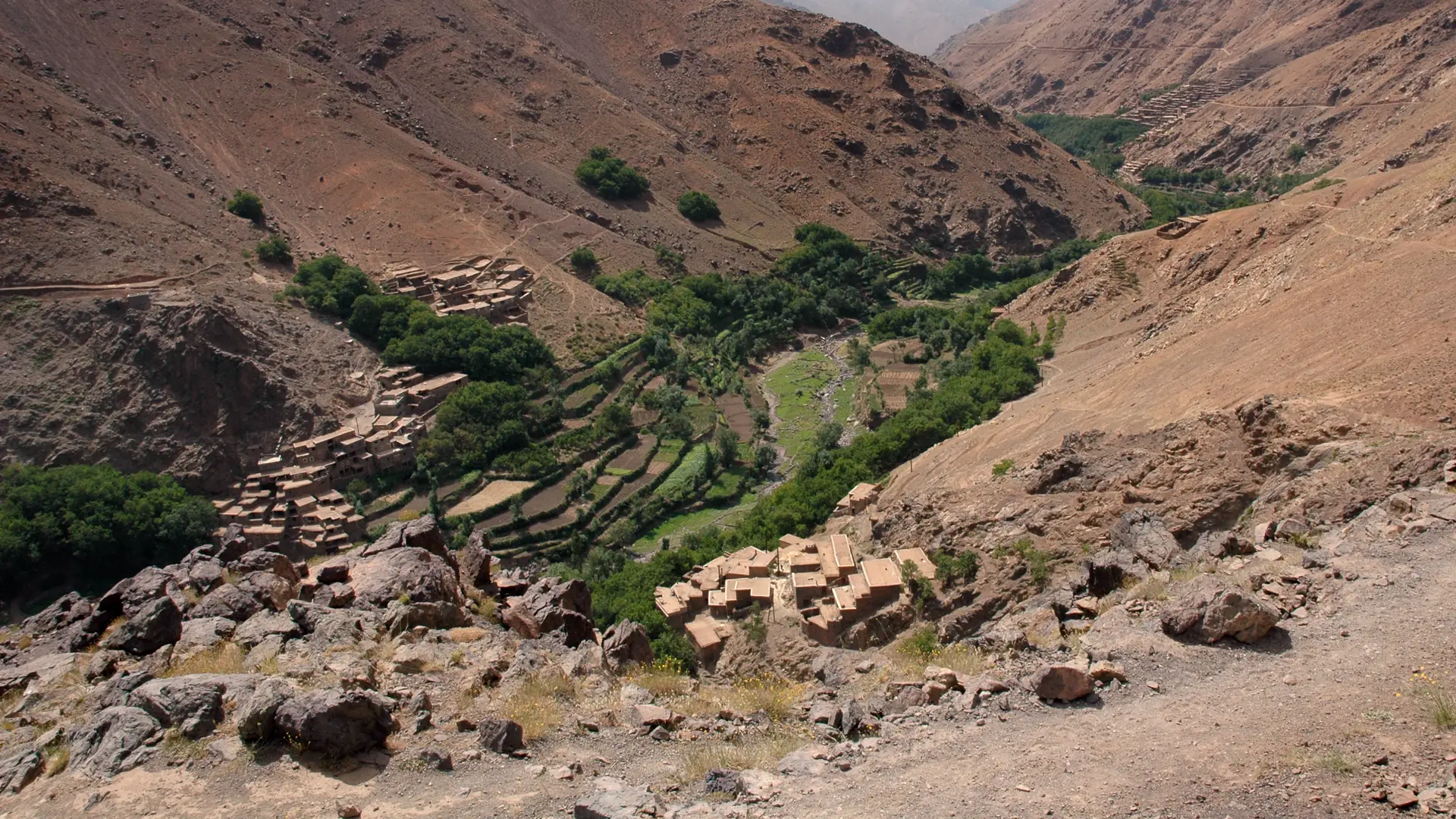
Morocco has several hiking regions, from the High Atlas to the Rif, each with its own season. This guide describes them in general terms and explains why the Toubkal area suits a first visit.
Where can you hike in Morocco?
You can hike in five main areas: the High Atlas, the Anti-Atlas, Jebel Saghro, the Rif and the Middle Atlas. They differ in landscape, in how easy they are to reach, and in the time of year when they are at their best.
Morocco is not one kind of mountain country. The High Atlas has snow-capped peaks, the Anti-Atlas and Saghro have dry volcanic and rocky ground, and the north has greener hills with forest. Each area suits different walkers, and some need more planning than others.
In general, guides are widely used, and for Toubkal local rules require you to be accompanied by a certified guide. Elsewhere, ask locally about paths, water and weather.
The sections below describe each region in general terms. Conditions change from year to year and from one valley to the next, so treat the seasons as a guide and check with a local guide before you plan dates. We only run trips in the Toubkal area, and we say so where it matters.
The High Atlas: Toubkal and M'Goun
The High Atlas is Morocco's highest range and its best-known hiking region. It holds the Toubkal massif, with Toubkal at 4,167 m, the highest summit in North Africa, and the M'Goun massif further east.
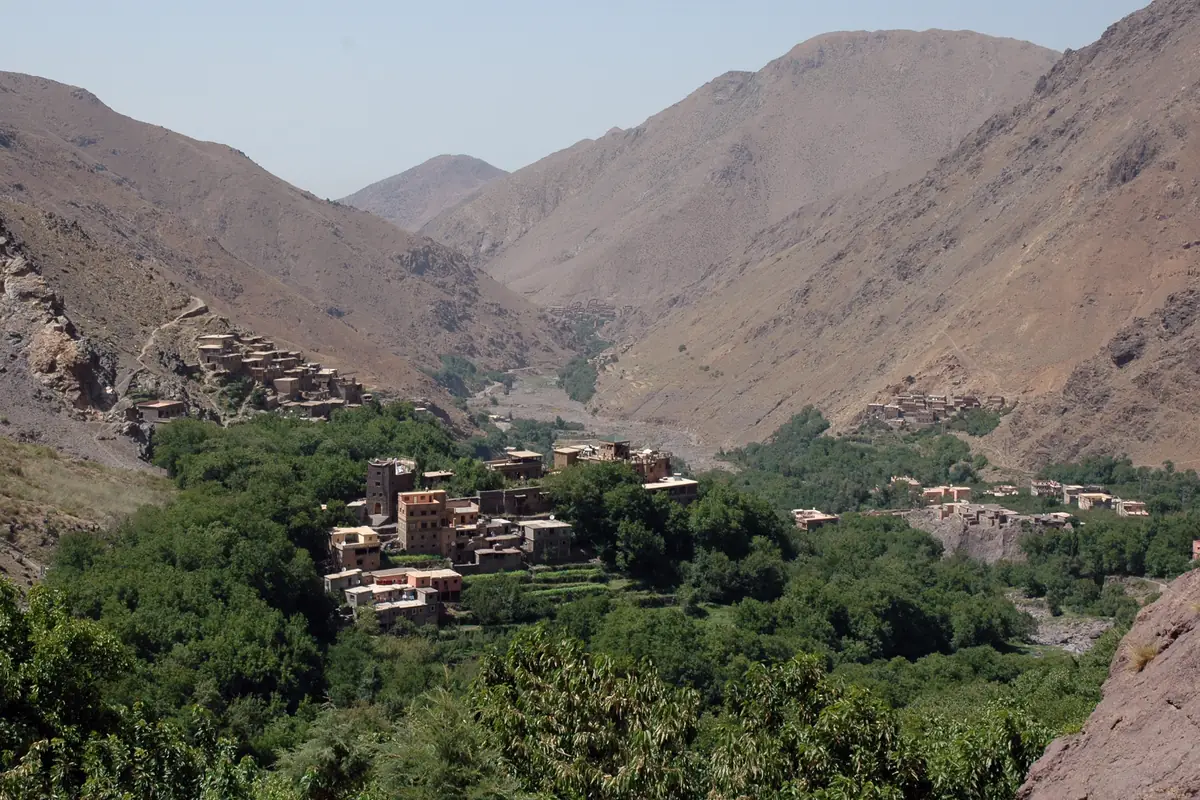
The Toubkal massif is easy to reach: Imlil, the usual start, is about 65 km and 1.5 hours by road from Marrakech. Routes there range from a gentle village walk to a seven-day circuit. Toubkal National Park, created in 1942, covers the area.
The M'Goun massif rises to about 4,070 m and is quieter, with longer approaches and simpler facilities. It suits people with some mountain experience who like to walk for several days between villages. Plan with a local guide, because paths are fewer and supplies are harder to find than around Imlil. The best season is generally late spring to early autumn, once the snow has cleared from the passes.
The Anti-Atlas and Jebel Siroua
The Anti-Atlas is a lower, drier range in the south-west, and Jebel Siroua, at about 3,300 m, is its best-known massif. It is a volcanic mountain, with a quieter feel than the High Atlas and fewer visitors.
Spring and autumn are generally the best seasons. Summer heat can be strong at lower levels, and winter nights are cold, though snow is less constant than in the High Atlas. Facilities are simpler and distances to services are greater, so this region rewards walkers who like quiet and do not mind modest comfort.
Allow time to travel to the start, since the roads are longer than the short drive from Marrakech to Imlil. It is a good second trip once you know what you enjoy in the mountains. Travel with a guide, and tell someone where you are going.
Jebel Saghro
Jebel Saghro is a rocky, volcanic upland south of the High Atlas, known for open landscapes, dry valleys and rock formations. It is walked mostly in the cooler months, when temperatures are comfortable and the heat of the low desert edges has eased.
Walks here cross wide, open land and pass through small villages and oases. There is less shade and often less water than in the High Atlas, so careful planning with a local guide matters. Winter days can be pleasant, while nights are cold.
Saghro is walked with a guide who knows the water points and the villages. Carry more water than you would in the High Atlas, wear sun protection even on cool days, and expect to sleep in simple guesthouses or in tents, depending on the route.
The Rif and the Chefchaouen area
The Rif is a green, hilly range in the north, and the Chefchaouen area is its most visited base for walking. It has forested slopes, small villages and a Mediterranean-influenced climate, which is milder in the shoulder seasons and wetter in winter.
Spring and autumn are generally the most comfortable seasons. It is a gentler setting than the High Atlas, with day walks from town, and it combines well with a city visit. Waymarking and facilities vary, so ask locally before you set off. Bring a rain layer, since the north is wetter than the south. Heights are lower, and the walking is more about landscape and villages than summits.
The Middle Atlas
The Middle Atlas lies north of the High Atlas and is known for cedar forests, lakes and rolling country. It is a quieter option for day walks and shorter hikes, with cooler weather than the lowlands in summer.
Winters bring cold and snow at height, so spring to autumn is the usual walking season. It is a good area for people who prefer woodland to high mountains, and it is usually combined with visits to the nearby towns.
Weather can change quickly in the hills, so bring a waterproof layer in any season and ask locally about the state of the paths after rain or snow.
Why does the Toubkal area suit a first trip to Morocco?
The Toubkal area suits a first trip because it is close to Marrakech, well organised and offers routes for every level. You can be on the path within a couple of hours of leaving the city.
Routes are established, guides and mules are used to walkers, and there are refuges and village guesthouses on the way. Toubkal itself is a non-technical walk-up in summer, so fit walkers without climbing skills can reach it. The area also has gentle valleys for those who would rather walk between villages than climb.
It is also a good place to learn what you enjoy. After a first trip, many walkers know whether they prefer high summits, village-to-village walking or quiet, open country, and can choose a second region with that in mind.
The main seasons are spring and autumn, with good conditions often in summer at height, and snow in winter. Our month-by-month guide goes through each month.
Which trips do we run?
We run guided trips in the Toubkal area, all starting from Imlil, with transfers from Marrakech. The shortest is a day trip around Imlil, and the longest is a seven-day circuit.
For a first visit, the 2-day Toubkal trek (from €170 per person, based on 2 people; lower for larger groups) is the shortest way to the summit. The Berber villages trek and the Imlil day trip suit people who prefer lower paths. You can see all options on our tours page, or contact us to plan something to your dates.
Questions
Is Morocco good for hiking?
Yes. It has mountains and valleys for beginners and experienced walkers, with several regions and seasons. The High Atlas near Marrakech is the easiest to reach.
What is the most famous hike in Morocco?
Mount Toubkal, at 4,167 m, is the best known. It is the highest summit in North Africa and is reached from Imlil.
Do I need a guide?
For Toubkal, local rules require hikers to be accompanied by a certified guide. In other regions, a local guide is strongly advised because paths are less marked and water and services are further apart.
When is the best time to hike in Morocco?
Spring and autumn suit most regions. Summer suits the high mountains, and winter suits lower, drier areas such as Saghro. The right month depends on the region you choose.
Can beginners hike in Morocco?
Yes. There are easy and moderate routes, including village walks around Imlil. Tell us your fitness level and we will suggest a trip to match.
Do you run trips outside the Toubkal area?
Our trips are in the Toubkal area, starting from Imlil. If you plan to visit other regions, ask us and we will say plainly what we can and cannot arrange.
Treks for this guide
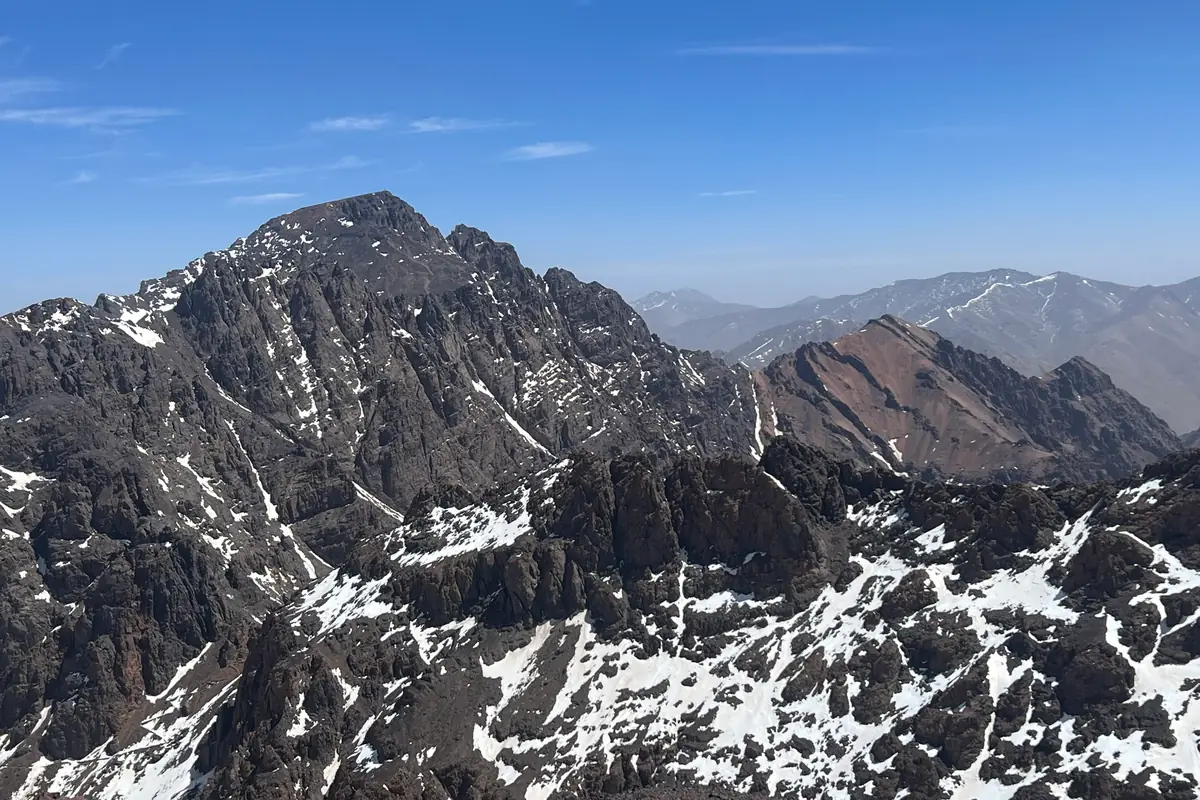 2 days · Toubkal summit2-Day Mount Toubkal Trek from Marrakechfrom €170 per person
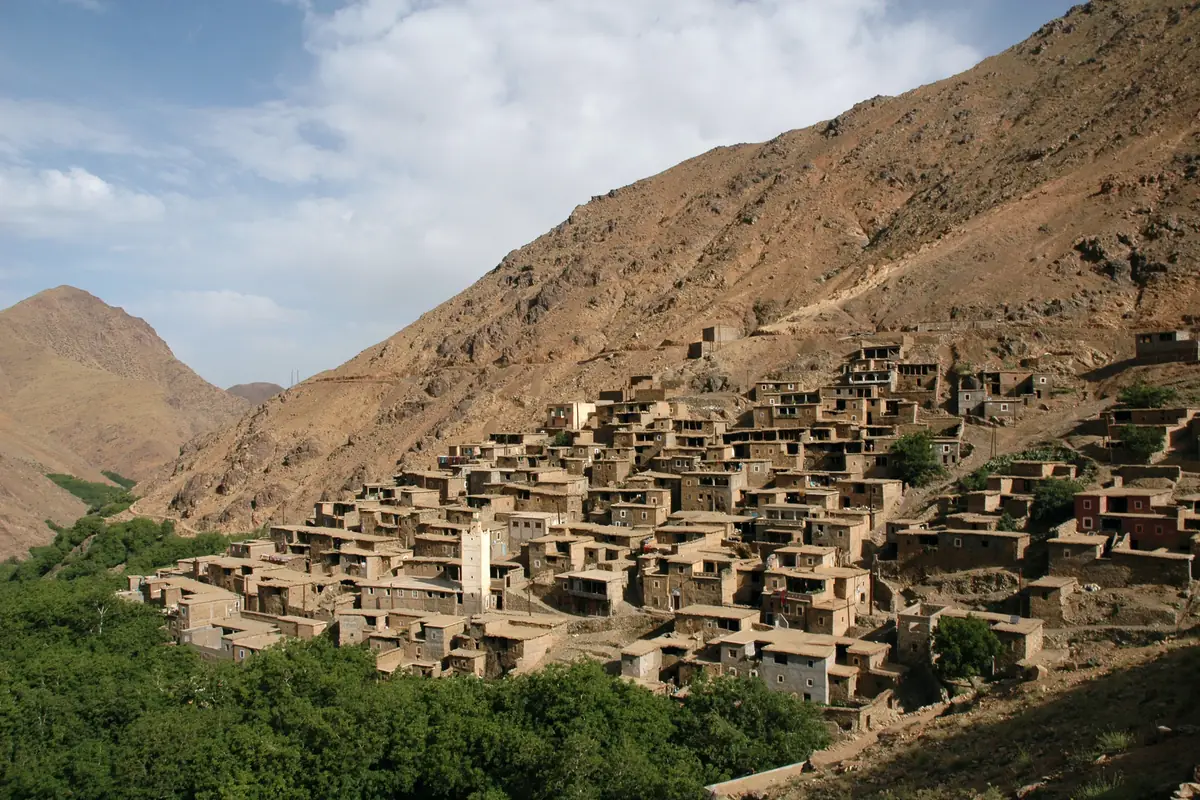 4 days · Valleys and villagesBerber Villages and 3 Valleys Trekfrom €195 per person
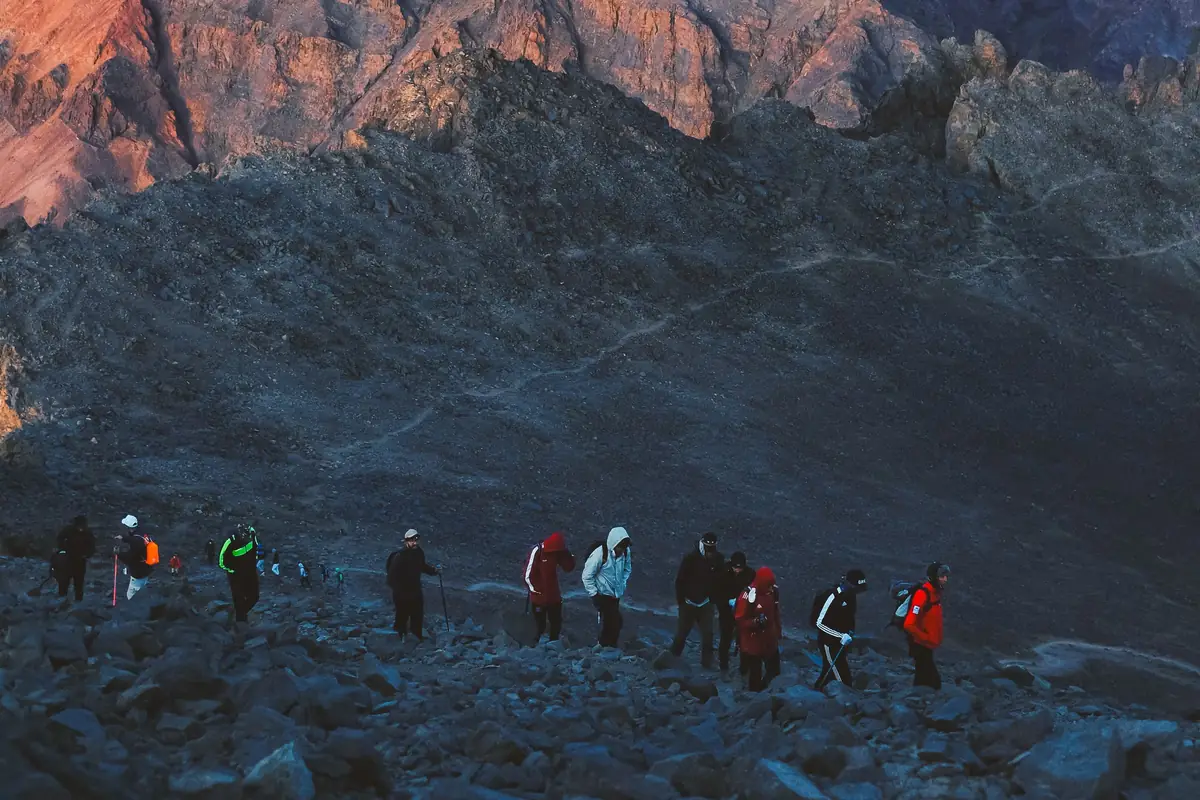 7 days · Toubkal summit7-Day Toubkal Circuit with Lake Ifnifrom €450 per person
 1 day · Day trip from MarrakechImlil Village Day Trip from MarrakechPrice on request